
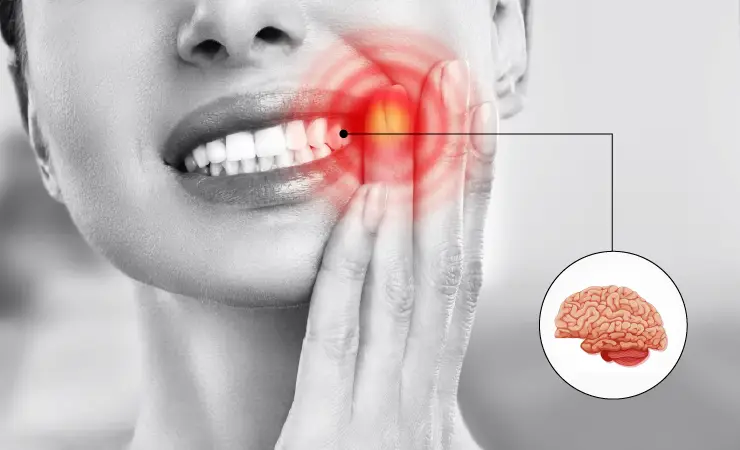
Oral-health problems can affect much more than the appearance of your smile. Tooth pain, sensitivity, bleeding gums, dry mouth and missing teeth may make everyday activities such as eating, sleeping, speaking and socializing more difficult. Addressing these concerns early can help protect comfort, function and quality of life.
Oral health and overall well-being are connected in complex ways. A dental problem does not automatically cause a mental-health condition, and dental care is not a substitute for medical or mental-health care. However, ongoing pain, disrupted sleep or embarrassment about a dental concern can add stress and interfere with daily routines.
How dental problems can affect everyday life
Eating and nutrition
Tooth pain, loose teeth or poorly fitting dentures may make chewing uncomfortable. Some people begin avoiding harder or healthier foods because they are difficult to eat. A dental examination can help identify the cause and explain appropriate options.
Sleep and concentration
Dental pain can make it difficult to fall asleep or stay asleep. Poor sleep may leave a person tired or less able to concentrate the next day. Persistent or severe pain should be assessed rather than managed indefinitely with over-the-counter medication.
Speech and confidence
Missing teeth, denture problems or visible tooth damage can sometimes affect speech or confidence. Every patient’s priorities are different. A dentist can discuss treatment choices, their limitations and realistic expectations without assuming that cosmetic treatment is necessary.
Stress around dental visits
Dental anxiety is common. Telling the dental team about your concerns can help them explain each step, agree on a pause signal and move at a manageable pace. People with significant anxiety or other health needs may benefit from additional support coordinated with an appropriate health professional.
Common concerns worth assessing
- tooth pain or sensitivity that continues or worsens;
- bleeding, swollen or tender gums;
- a broken, loose or badly worn tooth;
- swelling, drainage or a bad taste that may suggest infection;
- dry mouth that persists;
- difficulty chewing, speaking or wearing dentures; and
- mouth sores or unusual changes that do not resolve.
Not every symptom is an emergency, but some require prompt attention. Severe swelling, uncontrolled bleeding, major facial trauma, trouble breathing or another medical emergency requires urgent medical assistance.
Practical ways to protect oral health
- brush twice daily with fluoride toothpaste;
- clean between the teeth using a method recommended for you;
- limit frequent sugary snacks and drinks;
- avoid smoking and other tobacco products;
- attend dental examinations based on your individual needs; and
- seek advice when symptoms persist instead of waiting for them to become severe.
A dental examination is needed to diagnose the cause of a concern and recommend suitable care. Online information can help you prepare questions, but it cannot replace an examination.
Request a dental assessment in Ottawa
Ottawa Smiles Family Dental welcomes new patients at 1935 Bank Street. We provide general dental care in English, Arabic and Spanish and accept eligible CDCP patients. Learn more about complete and emergency examinations and our 2026 CDCP guide.